
Over the last few weeks, I have a number of messages from parents wondering how they can support their children through the situation we now find ourselves in due to COVID 19.
Although I do not have all the answers to my children’s questions here are some of the things we are currently doing at home and which should be useful to have to hand both now and in the future should you need to discuss difficult or traumatic situations or incidents with your children.
1. Keep Calm – it seems obvious when you think about it but you really are your child’s mirror and children are very good at picking up on fear and anxiety without your realising it you are even doing it.
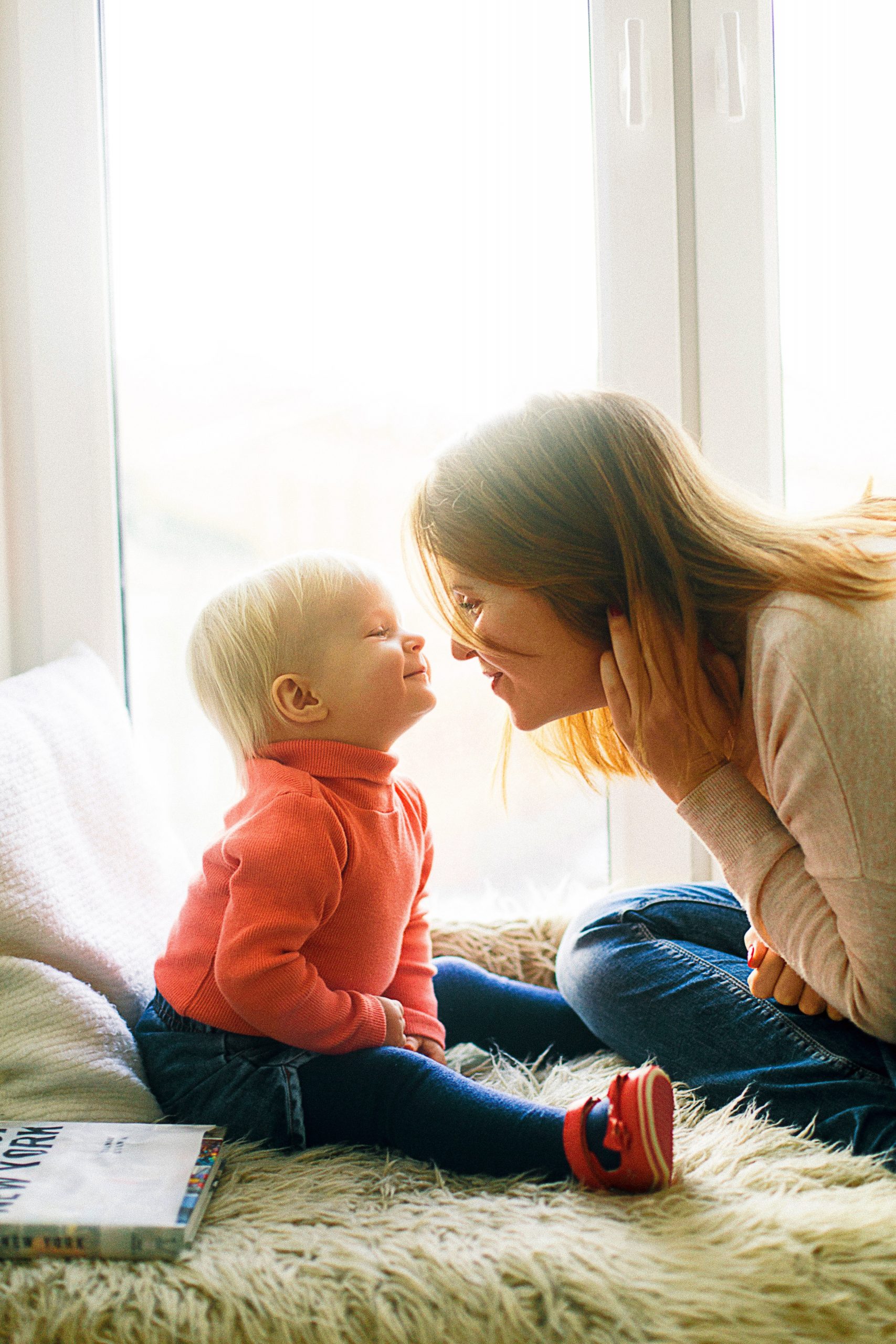
2. Use Special time – more than ever your children need special time with you. Special time will allow you to listen to your child’s feelings and emotions without distraction.
Try setting aside a short defined period of time during which there will be no interruptions at all – no phone calls, cooking, cleaning, answering the door – there is no need to do anything except play with your child.
Try setting a timer as it is much easier to focus when you know the play is not for ever and do what you can to be free of worries and fatigue.
During this time put your child in charge and let her do anything she wants. Follow her lead whether she tells you or simply shows you what she wants to do.
The reversal of power will encourage your child to bring up thoughts and feelings that they may at times find it difficult and tricky to express.
3 Limit exposure to the news- Little ears are always listening and television and radio reports can be particularly scary when they are repeatedly exposed to images and news stories.
4. Give them age appropriate explanations – be guided by your child too much information can be overwhelming for them. Answer questions as they arise and use language your child is familiar with.
Trying using stories -creating an empathy book for your child is a particularly brilliant and useful way to help young children make sense as to what is happening.
Remember children first and foremost learn through play and this is why books and role play are brilliant tools to use to help explain difficult and unsettling situations to them.
5. Validate how they feel – It is very easy to dismiss our children’s fears with responses like “There’s nothing to worry about or you don’t need to worry but these are not helpful comments. They give your child the message you are not available to listen to their feelings and upset and will actually increase your child’s anxiety.
To ensure your child feels safe and secure it is key that you help your child to normalise their worries and demonstrate to them that you are able and want to listen to them.
6. Try journaling– This can be something you can all do as a family and whereas adults may well write down their worries allow your child to draw how they are feeling.
7. Help them feel safe -This is crucial and is particularly relevant when it comes to bedtime and the prospect of being left alone for lengthy periods overnight. Give them lots of extra kisses and cuddles throughout the day and take even longer than normal over saying goodnight to them at bedtime.
You may well find that your child who was once happily falling asleep by themselves now needs you to stay with them at bedtime – remember this is completely normal and to be expected, especially at the moment when most of us are predominantly living in the stress fight and flight side of our nervous system and require the presence of another to fall asleep.
If you do need to stay with them ensure you stay with them until they are fully asleep for the first few nights after this depending on how calm your child is at bedtime you can try staying with them until they are relaxed and sleepy and then try leaving.
Alternatively you can pretend you need to get something and then keep popping back in and out -building up the time you are out of the room as your child becomes more comfortable and used to your absence.
Remember this is not a race and it is important you go at your child’s pace as opposed to racing to get out of their room.
“It is a primitive need of the child to have close and warm contact with another person’s body while falling asleep.”
Anna Freud
If you found this helpful and would like more help with your baby’s sleep – Emma Gawne practises as holistic sleep coach with Help Baby Sleep and supports many families both nationally and internationally to get a more settled night sleep. For more information please visit the Help Baby Sleep Services Page



0 Comments